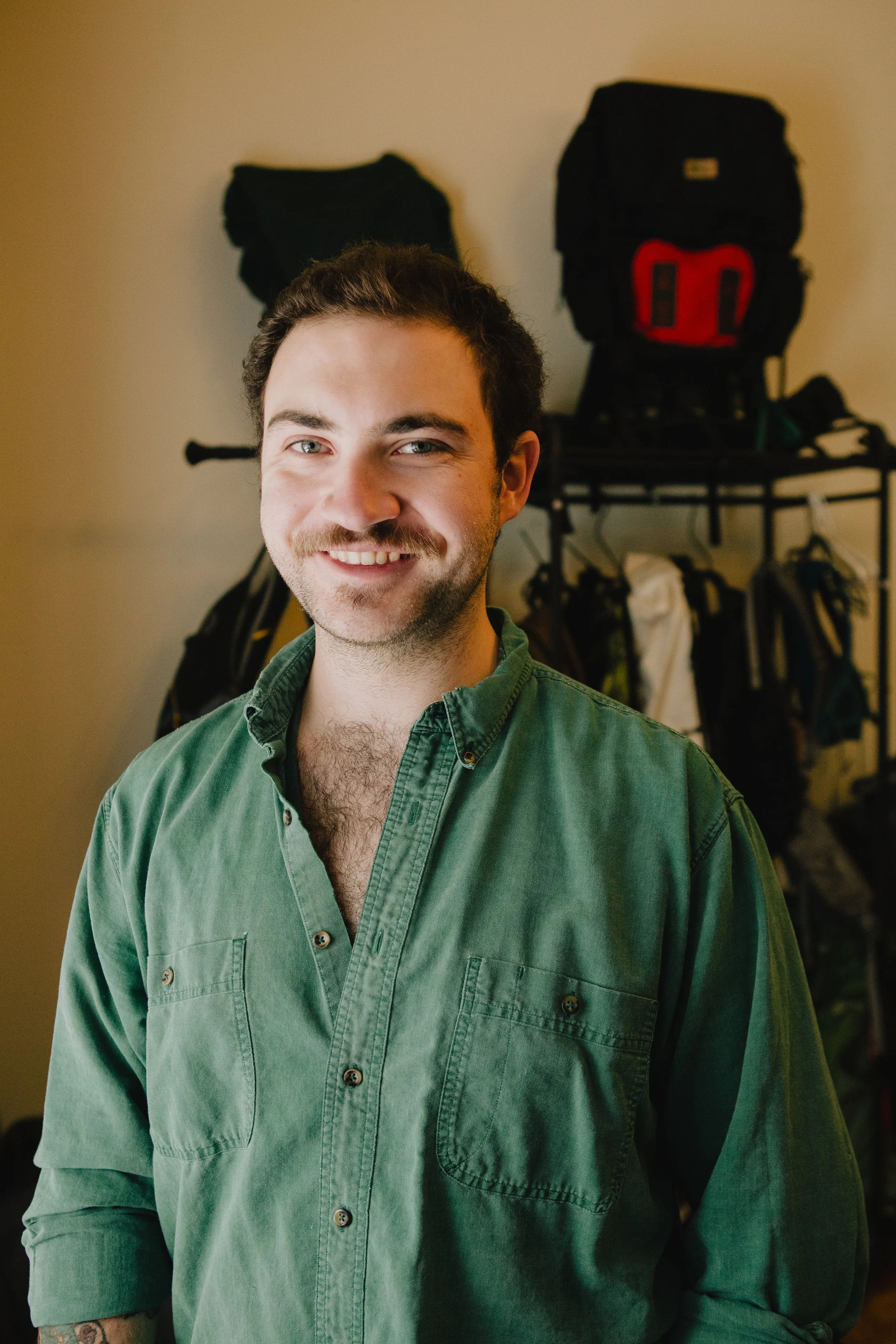
Public Lands Interview Series No. 2: Jackson
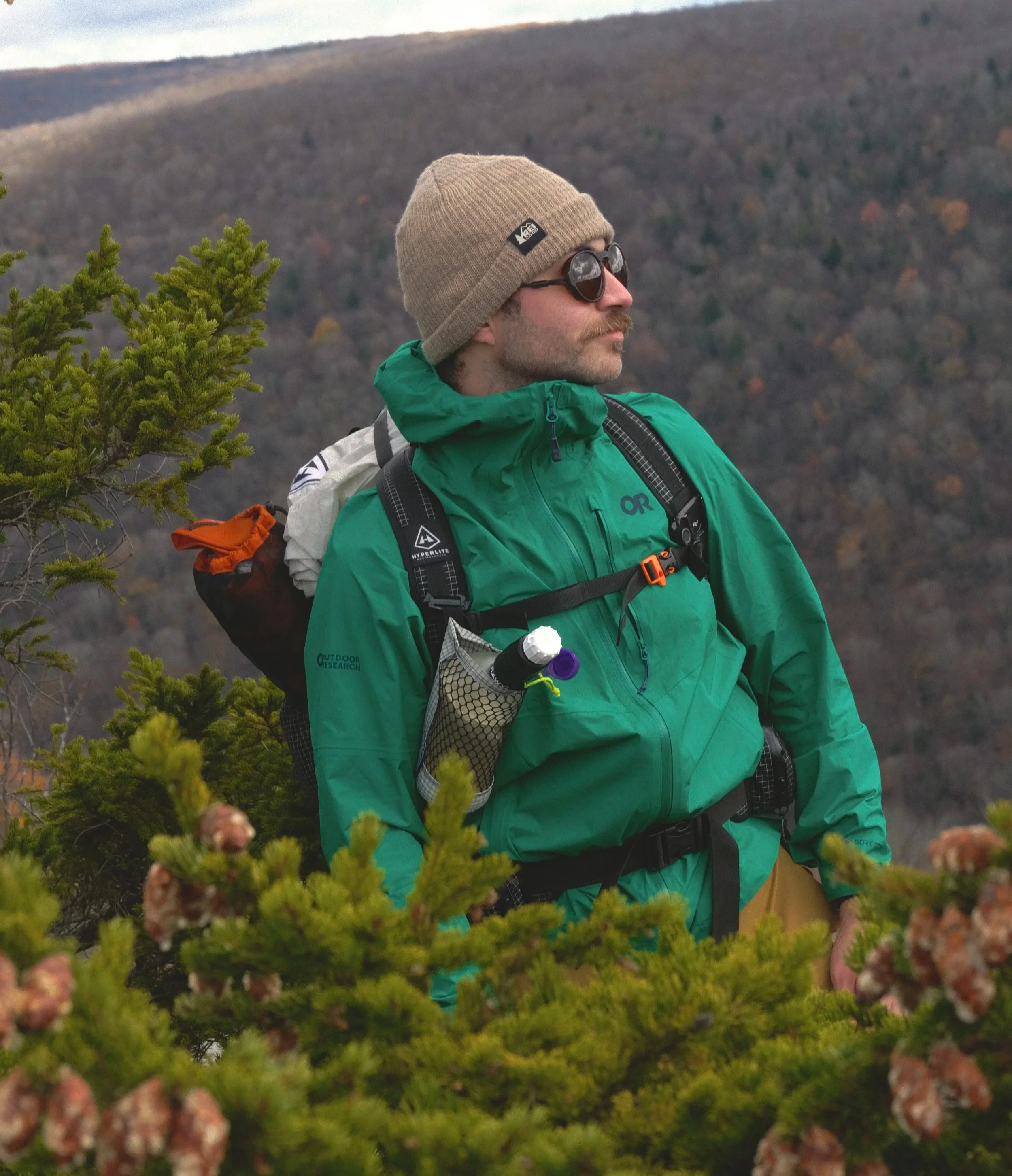
Image provided by Jackson
Jackson: Hi, I'm Jackson Anderson.
Sarah: Are you excited to be interviewed?
Jackson: I'm so excited to be interviewed. I give full consent and all the proper journalistic things.
Sarah: Perfect! That's what we need. All right, so you've done a lot of camping and backpacking and other outdoor type activities. Do you remember what sparked your love of the outdoors?
Jackson: Growing up as a kid, I was a bit of a loner and a lot of the time I probably should have spent socializing with other people, I spent outside instead. I was lucky enough to grow up in an area with a lot of green spaces in Williamsburg, where I was able to go cycling and kayaking a lot. That's really what I spent a lot of my time doing, and I think just that experience of being out there. This sense of exploration and being in an environment where, especially as a kid, you have so little control over factors in your life, somewhere where you kind of get a bit of independence, yet, you're still at the whims of a rainstorm that comes through, or if the weather, you know, temperature changes, things like that. I think that taught me a lot and still helps kind of inform my psyche today.
According to one study by Vasilaki et. al published in MDPI, unstructured outdoor play encourages creativity and independence in children. Unstructured outdoor activities also fosters social negotiation. In other words, the child is more easily able to recognize and regulate their emotions, which makes it easier for them to handle difficult scenarios constructively, allowing for positive negotiation. Psychology today goes on to say, “Outdoor activities often come with unpredictable elements—weather changes, rough terrain, or unexpected obstacles. These experiences teach children to adapt, persevere, and stay positive in the face of challenges.”
Sarah: Did you have a mentor or anyone that helped foster your love of the outdoors?
Jackson: A lot of it I think came from my grandpa on my mom's side. He and I shared an affinity for the Adirondacks. He lived in upstate New York for the vast majority of his life, and he was big into canoeing, backpacking, fishing, the whole nine yards there, and I remember as a kid going up there on a few trips with him. He had always been somewhat of a hobby naturalist, and he would take the time to explain things to me about the natural world around us, not just whatever recreational activity we're doing, but also our surroundings. I remember as I grew older talking to him about the different trips I was taking, he always showed a really vested interest in it and a fairly deep understanding. I remember talking to him about Dolly Sods. He seemed really excited because he remembered visiting there when it first became a Wilderness Area in the late 70s, early 80s. And I don't know, I just feel a big through line to him and his interests.
20% of New York state is protected by a combination of private organizations and by local, state, and federal governments. In 2022, New York signed the “30 by 30” law, aiming to protect 30% of the state by 2030. You can read more about the law and New York protected lands here.
Dolly Sods is located in the Monongahela National Forest in West Virginia. Dolly Sods is one of the more unique wilderness areas in the United States. It consists of bogs and heath ecosystems, more commonly found further north in Canada. It was also used for training during World War II. Live artillery shells continue to be found to this day. It is recommended that you immediately call the Forest Service if you believe you’ve found a shell.
I remember when he passed, all of sudden I got this urge of: “Oh, I need to go back up to the North Country.” A lot of good has come out of it. I feel a very deep affinity to him and a lot of appreciation for ways he helped foster love and appreciation of the outdoors growing up.
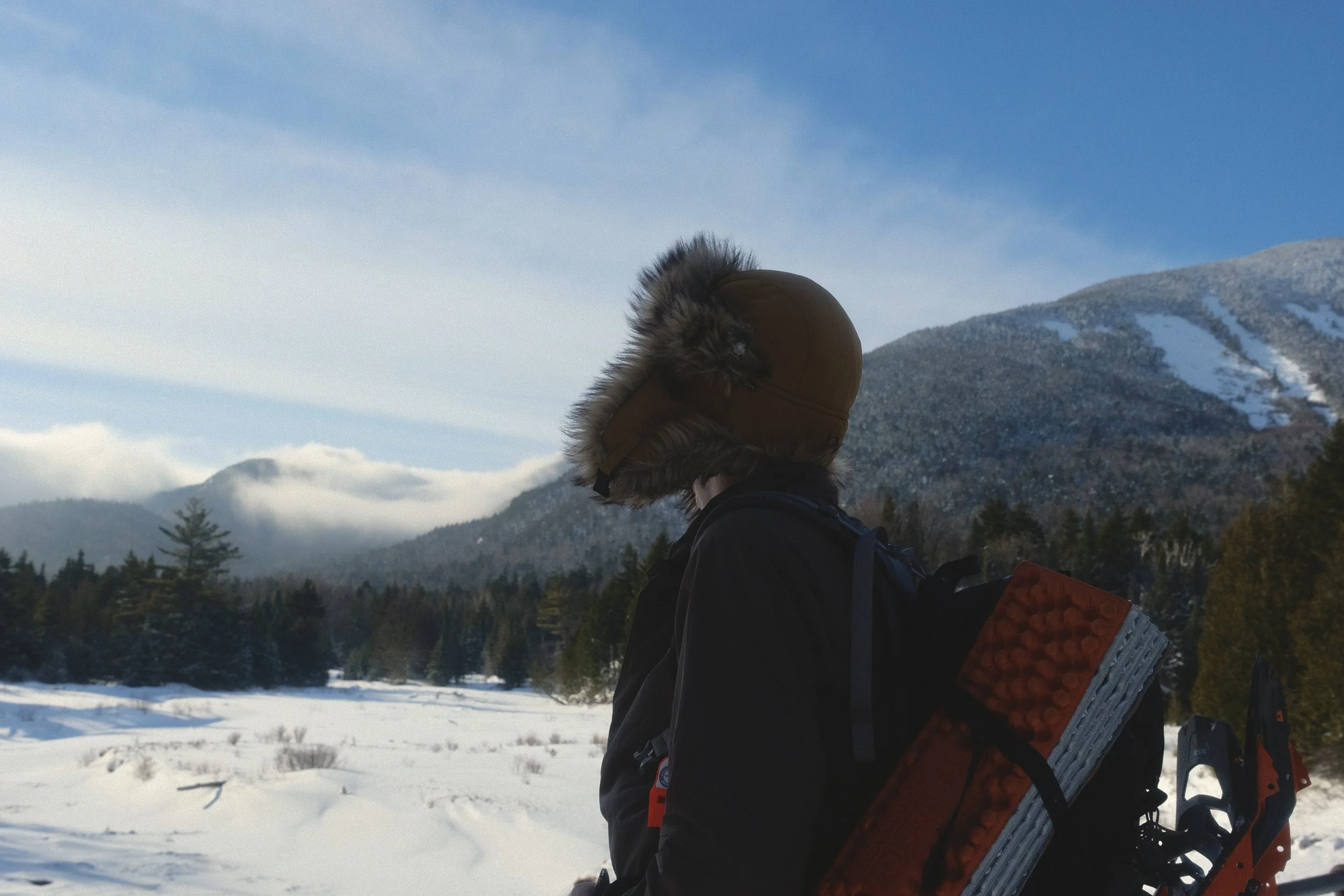
From a group trip to the Adirondacks. The Adirondacks and Catskill Forest Preserve is the largest protected land area in New York. Image provided by Jackson.
Sarah: Yeah, so that land kind of ties to the memory of him.
Jackson: Yeah, for sure.
Sarah: That's beautiful. You mentioned you started being outside kind of on your own, but do you feel like it's helped your connection with other people?
Jackson: Absolutely! It taught me a lot, not just about my own self-reliance, but also that it's okay to rely on others and sometimes necessary. Especially as I got into high school, I started to do bigger hikes with other folks where we'd have to rely on each other for different pieces of kit or just different areas of expertise on things. And I think the shared challenge of any sort of wilderness track was a unifying agent in a way that just going to a restaurant doesn't really do for folks.
I think it's a unique way for people to become closer together. And the time we take, you know, me and Stilly, other folks, we take big trips out and we always come back with a tighter bond. I think not only a greater understanding of each other, but also how we factor each other's lives, how wilderness factors into our lives. There's a certain sense of being able to reset and just appreciate your immediate surroundings, including those who you're with.
Sarah: I love that. Yeah, I remember when I first started camping, I would like forget seemingly everything. So, it was so good to camp with people because someone always had something you needed.
Jackson: Yeah, like everybody kind of has your back.
Sarah: So, most trails and campsites are part of federal and state protected public lands. Funding for our public lands allows the land to be conserved, affordable and accessible. When did you start associating your love with the outdoors with public lands? Or have you made that connection?
Jackson: I think a lot of it was at the regional parks level growing up. I was fortunate enough to have a lot of regional parks around me. They were either owned at the county or state level in this realization of, “Oh, this is a public amenity.” We're not having to pay a private corporation to come in here or this or that. This is something for everybody to use, but also something for everybody to kind of feel a certain responsibility and obligation towards. And I think that's where it first started. And then as I grew up a little bit more and reached high school, we didn't have that much money, but wanted to go everywhere. A National Forest was the next kind of logical step up of, “Oh, this is free to use public land. That’s rad.” But also again, it kind of gets back into that, like, mutual obligation, mutual responsibility, idea of things.
Sarah: You mention “free” a lot. Do you think that financial aspect really helped?
Jackson: Yeah, certainly. I think it's important in certain cases for there to be fees for the maintenance of public lands, or certainly when you're looking into things like preventing overuse with nominal fees and reservation systems. I do think it's important to bounce the needs of the ecology with also the human experience in having people there to actually care about it.
But certainly inaccessibility standpoint of it where finances shouldn't necessarily be why you're not coming to public lands, right?
Campsites typically run between $15 and $30 a night. Most drive up campsites include flush toilets and showers. Many trails have free primitive camping spots, though you’ll likely have to pay a similar rate for parking. While there are very expensive camp gear options, you can find more economical options at big box stores and used gear stores like Trail Hut in Richmond. Hotel costs vary wildly. After looking at hotels for much longer than I would like to admit, it’s safe to say budget hotels are around $100 a night. My grandparents often talk how they couldn’t afford hotel rooms growing up, so they would go to campsites for vacations. I’ve always enjoyed listening to them laugh about how much fun they had as kids and were grateful for the opportunity to go to the beach or lake.
Sarah: So, can you describe a trip on a public land that sparked a moment of self-discovery? Where was it? What happened? What did you see? How did it impact you?
Jackson: I think what stood out the most to me recently, and I keep on reflecting back towards this last summer on the Olympic Coast backpacking. It was kind of a moment in my own life where I was that a fluctuation point of figuring out where I was going, my place in the world.
And it really just helped me reset. Seeing trees of that size, which unfortunately just isn't something you really have on the East Coast anymore. And you kind of feeling like being engulfed.
Stilly is currently giving me a look of disdain, but this is me being angered about the loss of old growth force on the East Coast more than anything else.
Stilly does not want Jackson to move to the West Coast.
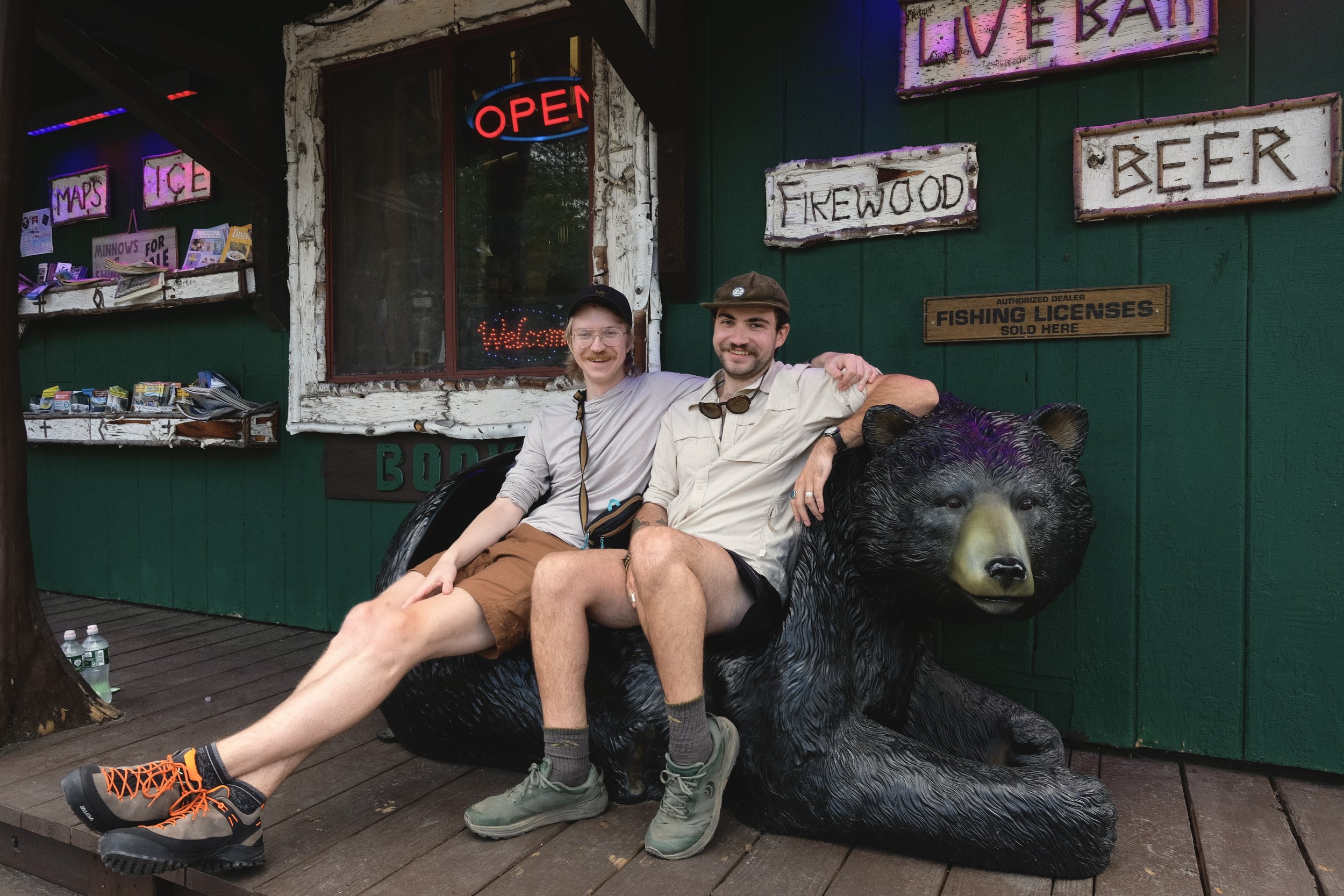
Photo of Jackson and Stilly provided by Jackson and Stilly.
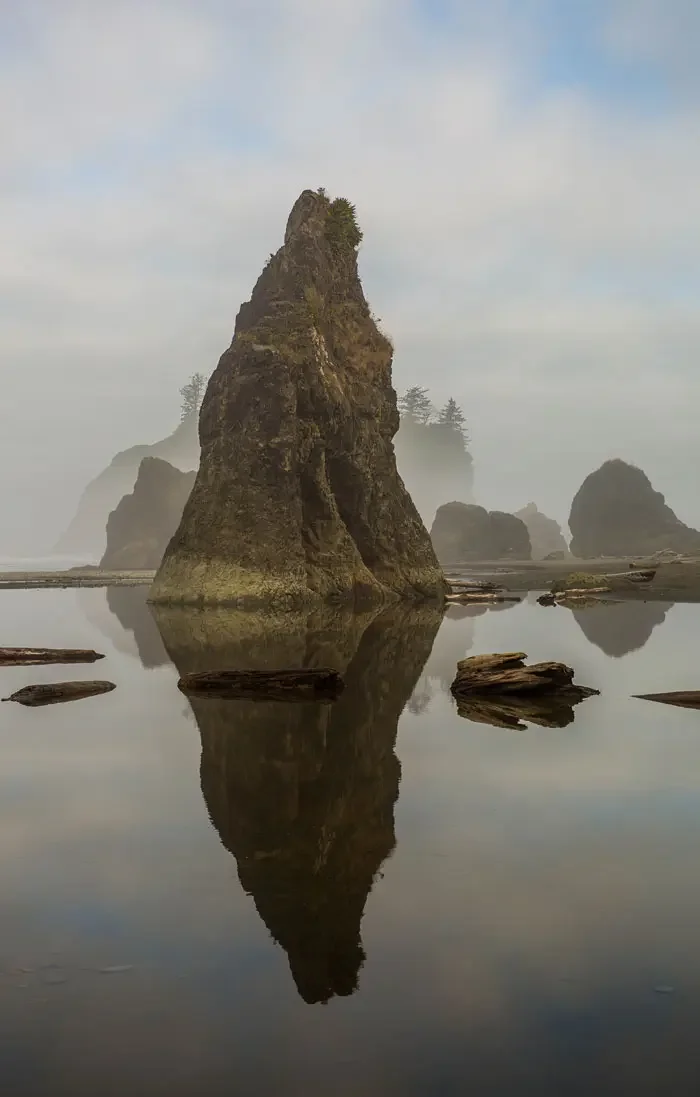
Picture by Pam Atkins. See more photos and learn more about sea stack here.
It's like, kind of brought back this child, like, wonder of, wow, it's a huge world out there and it's okay to explore it and mess things up, and it was the most gorgeous sunset, and I just ran around taking pictures of things. There was this nice sea stack I could climb up to the top of and just sitting up there and meditating and feeling like: Wow! This is so cool. Whatever happens, it's all gonna be okay. In the certain feeling of serenity and a connection to my surroundings. But I think it's hard to have that feeling in the hubbub of daily life. You really need that quietness in that moment. Just be able to exist as yourself within that context, and I think wilderness is uniquely suited to be able to give that to people.
Sarah: It sounds like it helps with your resiliency, and kind of mental fortitude. Do you feel like the outdoors is part of your sense of belonging or your sense of identity?
Jackson: Yeah, absolutely. A lot of how I conceptualize on myself is somebody who loves the outdoors and who feels like no matter what I end up doing with my life, I will fight for the outdoors protect it and enable future generations to appreciate it the same way, if not better than we do now.
That's always going to be a factor for it. And a certain thing where some folks have religion to explain the world to themselves, other folks, a political ideologies, or this or that or some way of helping frame the worldview. I think the outdoors restrict my temple for that. That's how I understand the world, and that's really how I filter my lens of everything else I care about is my relationship with the outdoors.
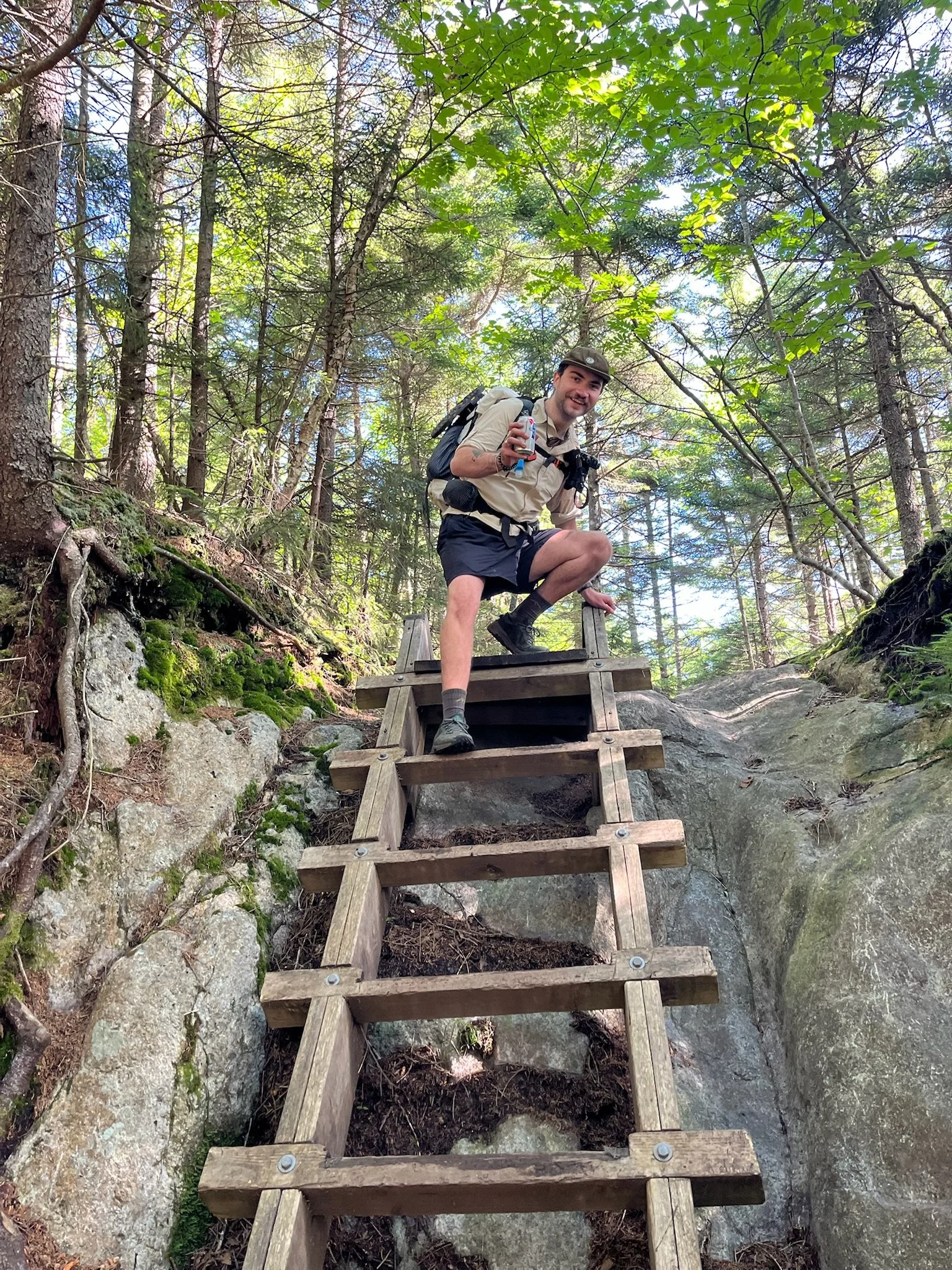
Image provided by Jackson
Sarah: Is there like a specific park or public land that feels like home to you, where you get those feelings?
Jackson: I think George Washington National Forest. You know, it's our backyard, and I think I've had so many good experiences there with friends where we've got to know each other better. And just looking at, like, you know, also solo trips, and there's always been something that's been there. It's been readily accessible. It's been a place where I've been able to try out new things in terms of outdoor recreation, but also just as a quick refuge away from everything else that's going on in my life. I think it's unfortunate not enough folks know about it, but also sometimes I think it's fortunate not enough folks know about it.
Sarah: It's kind of hard to find the balance. Like, you want people to know about it to protect it, but you also don't want too many people because you want to protect it.
Jackson: Yeah, there's a certain Catch 22 aspect to it, I think.
Sarah: Yeah, yeah, we have to ponder on that balance.
Eco-tourism can provide economic incentive to protect the land. One analysis shows a live shark on the Galapagos Islands can attract around $5.4 million over its lifetime thanks to spending by divers. In comparison, a dead shark only brings in around $200 dollars for fishermen. Eco-tourism also encourages donating and advocating for conservation efforts.
The National Parks are seeing record visitation numbers, while at the same time are experiencing drastic staffing and budget cuts. This combination is leading to environmental degradation and straining its aging infrastructure. Sumayyah Borders explains the impact of budget cuts and overtourism on our National Parks in this article. I highly recommend the read.
Not all visitors are well versed in leave no trace practices or are fully aware of the dangers associated with the outdoors. Crabtree Falls is a prime example of this. Over 40 people have died from going off trail and slipping on the rocks or being swept away by the current.
Sarah: So there's been a lot of legislation aimed at developing or selling off our public lands. Is there an aspect of the parks and public lands you're afraid that we're going to lose?
Jackson: When I look at specific legislation, rescinding the Roadless Rule from 2001 is something I'm deeply worried about just because there's such a nationwide impact to it, and it's hard to describe the exact tangible losses to it. It's a little bit harder to get some of that public outcry towards it because it's purposefully obfuscated, purposefully confusing as to what's going to happen. But when you look at Virginia, for instance. We're at risk of losing 400,000 Acres of George Washington Jefferson National Forest development because of it. Obviously, you're going to deal with issues with timber industry and unsustainable practices there, but the pollution that's going to cause is going to have runoff effects across the state. You're looking at more sediments and pollutants being dumped into the Chesapeake Bay through the different tributaries going through there. There has to be this understanding that when we lose these public lands, it's not just I'm losing a place to hike. We're losing a place of immense biodiversity and importance that has outsized impacts, not just within the acres that are being sold off or utilized for different means than they are presently. It affects communities. It effects where we live. I think that's an aspect of it. We maybe don't touch on it enough, where it seems like it's just hikers being angry that they don't have as many places to hike anymore, but no, there's a real tangible aspect to that loss that's outsized.
Roads can literally pave the way for environmental destruction. The Roadless Rule not only limits road construction, but it also limits logging in 60 million acres in the National Forest System. Building and maintaining logging roads is not cheap. Based on the maintenance backlogs, repairing existing roads will require $6.4 billion. The protected forests ensure safe drinking water for around 60 million people by reducing flood risk, filtering water, and storing carbon. The Roadless Rule also prevents forest fires. Most fires are started by people and are often by roads. According to NPR, former Forest Service Chief Dale Bosworth claims areas protected by the Roadless Rule are not commercially viable to the timber industry due to the type of timber and how it expensive it would be to construct roads on the terrain. Only 11% of those polled by Pew Research want to open these protected areas to logging. The final decision on rescinding the Roadless Rule has been pushed back to late 2026. You still have time call your representatives to let them know how important this protection is.
Sarah: How do you think you would be able to get more people to understand the loss, especially if they're not in those wild places?
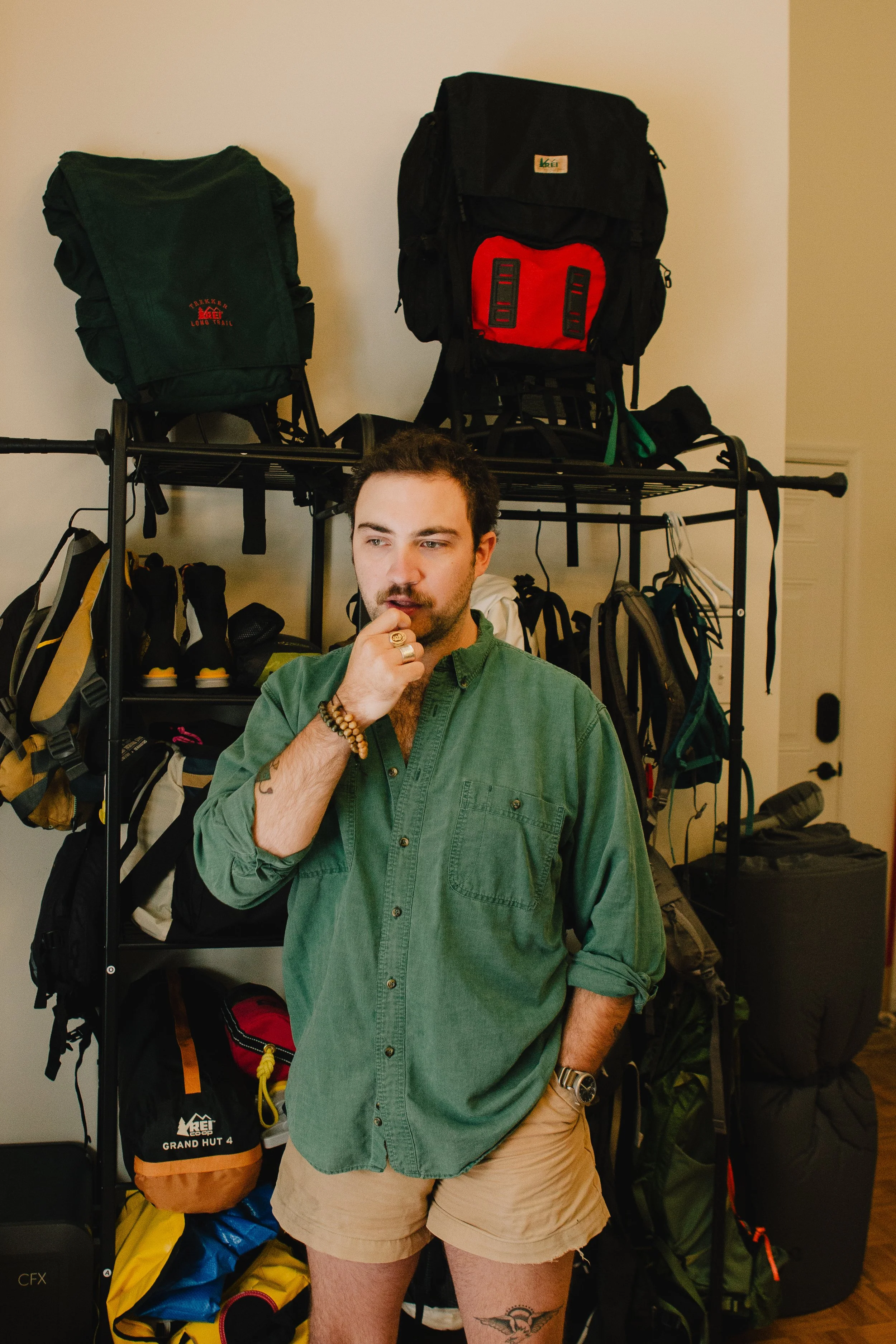
Jackson: I think sometimes it's a matter of education. But you do also deal with this issue where, you know, there's this kind of a stereotype that the folks who most care about public lands are the ones who live hours away in the cities and the folks who care least have it in the backyards. Oftentimes, you look at Appalachia, for instance. There is a lot of economic issues there and extractive industries would have an immediate positive fact economically in terms of overall health and act, you know? If you look at environmental diversity in just the well-beings of these folks long term, it's going to be horrible. But you can't blame them for having their own opinions on it. I think there has to be better outreach and also better alternatives being given to folks.
It's hard. I'll talk to folks across the country where they, you know, live in these areas and they kind of resent it. They were like, no, we should have a timber industry. That's when my grandparents were prosperous. And now, look at what's happened to this town? It's been run out, you know, and now gentrified by tourists. I think you have to be able to appeal to those folks as well and realize these are people with real needs.
Ultimately, corporations are going to do what corporations are going to do, but if they don't have that ground support, it’s going to be a lot harder for the corporations. I think you need to understand the different stakeholders.
Sarah: Yeah, yeah, so there's probably room to better bridge the gap between the two people or sides.
There’s no denying that much of rural America votes Republican. While conservation and environmentalism used to be a bipartisan issue, recent legislation by Republican representatives has slashed funding for environmental causes and there has been increased skepticism on the importance of environmental causes within the Republican base. The Cato Institute examines how the impact of corporate interests, deregulation sentiments, and jobs-versus-environment mentality has affected policy against environmental regulations. While policy shows Republican disregard for conservation and environmental causes, polls show a different story. Outside Magazine sites a poll by YouGov, showing close to 70% oppose budget cuts to the National Park Service and notes bipartisan support for our public lands. The Hill examines concerns from a number of Republican legislators on the budget cuts. In the article, the Secretary of the Interior claims he does not want to eliminate on-the-ground positions. However he does not address the large staffing layoffs or how the parks will support jobs with the 30% budget cut.
This issue is deeply complex and warrants a separate long-form article. There are many topics outside the scope of this article, like sentiments that rural American has been left behind by Democrat policy. I must also mention the higher levels of poverty, reduced access to education, limited resources, and different cultural standards in rural America. These are real issues that affect political priorities and need to be addressed in a dignified manner. Yet despite the complex issues and division in party lines, the fact remains that the majority of Americans support our public lands.
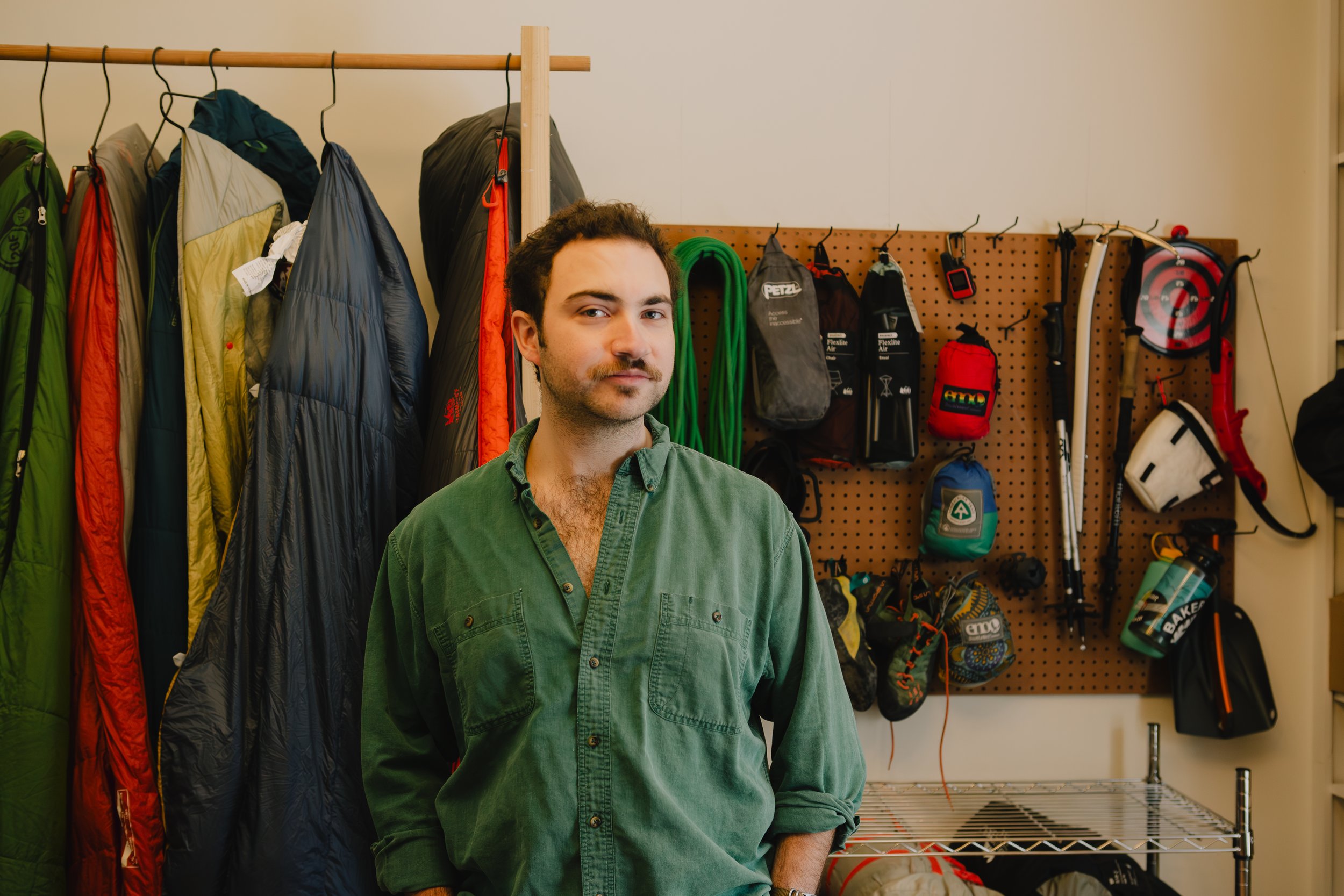
Sarah: Is there any specific story on land loss or degradation that has an impact on you that you think about a lot?
Jackson: For something I think is a success story, I look a lot in my studies. For context, I'm in graduate school at the College of William and Mary and I focus on outdoor recreation from 1960s to contemporary day. The 1970s were really at a point where, immediately post-wilderness act, there were a lot of areas under threat.
The Wilderness Act passed in 1964 established the National Wilderness Preservation System, which protects 112 million acres of wilderness areas in the United States. It took 8 years and 66 revisions before it was passed.
One of the more notable locations is the Boundary Waters Canoe Area Wilderness in Minnesota, which is currently at risk of losing its pristine ecosystem to a Chilean Mining company. If you’re interested in protecting areas, check out Friends of the Boundary Waters.
There's a lot of questions of, “What are public lands for? Who do they serve?” Look at the Yosemite master plan where in the mid-1970s, the concessions company that ran things really wanted to start developing Yosemite to create more into a Disneyland type thing as they were reviewing of what these parks were for.
The outdoor industry, along with environmentalists, along with recreationists were able to come together and absolutely block everything and, in fact, helped get even less structures out there and re-wilded a lot of areas. Across the 70s and 80s, especially, you see a lot of these success stories.
You had corporations who either wanted to turn the parks into more of playgrounds and ruin that wild aspect or corporations that wanted to turn it over to extractive industries. Where you had that grass root support, along with a larger financial backing, people were able to work together to defeat it.
The history of Yosemite, our third national park, shows the triumph of conservation and the prevailing motivation of those who love the outdoors. (It’s a fascinating read, I highly recommend the NPS article.) The 1980 General Management Plan states, “the foremost responsibility of the National Park Service (NPS) is to perpetuate the natural spendor of Yosemite.” The plan further detailed the intent to remove most facilities, including a golf course and beauty shop, and allow them to be reclaimed by nature. Ultimately, it shift the focus back to conservation and wildlife protection.
So, I do think there are examples we can look to in the past when we're looking at threats towards public lands, realizing that nothing that's happening right now is new. We do have a playbook we can follow.
Sarah: So, the people before us have fought similar battles.
Jackson: Yeah.
Sarah: Going back, you've mentioned your grandpa, and hiking, and then you mentioned people connected to the land through the timber industry. How do you feel like the public lands connect you and other people to the people who came before.
Jackson: I think about the experience of being the wild as the big thing.
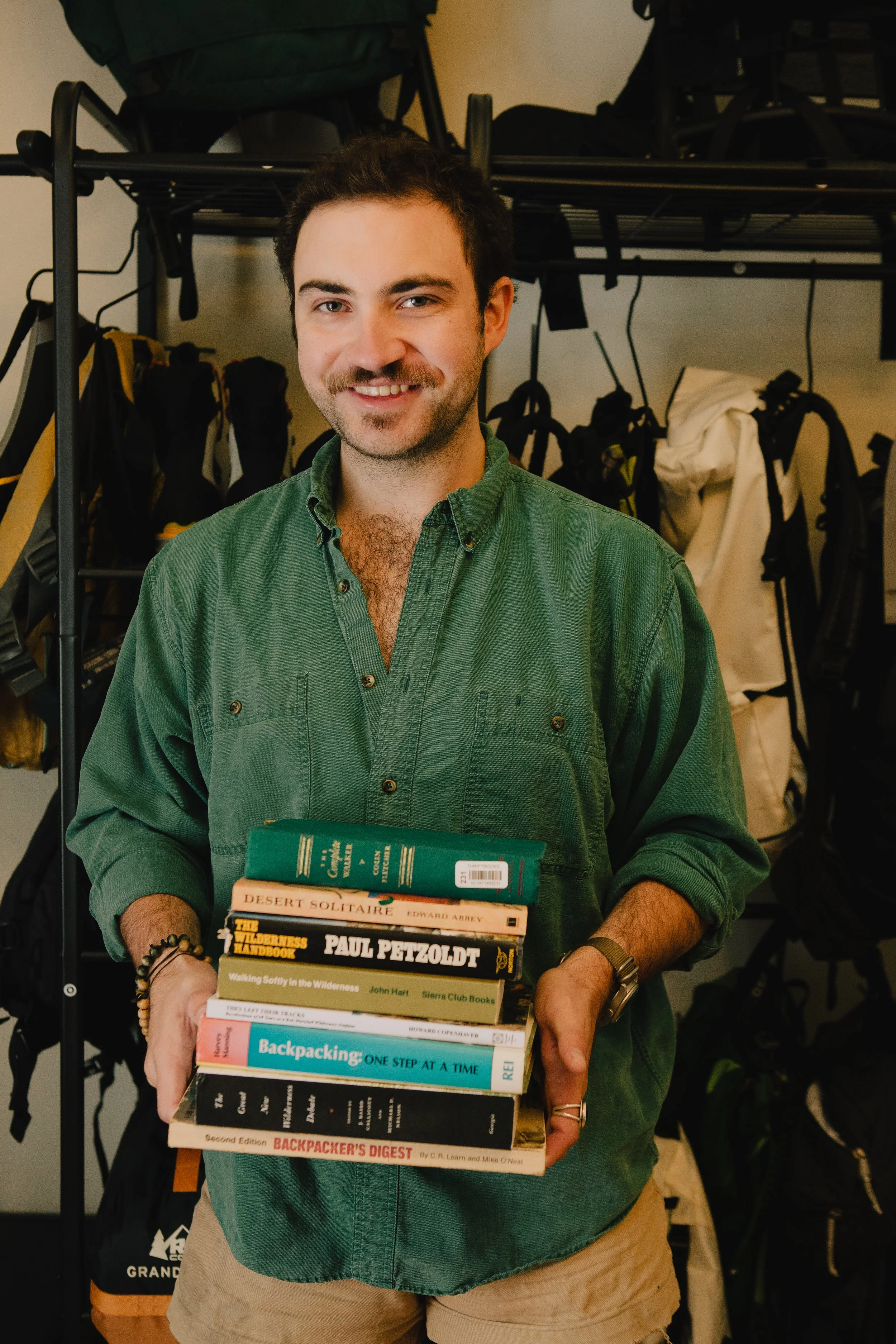
I think we make a mistake when we try to overly historicize wilderness. It's continually changing just as anything else is. But the experiences we have, the challenges we face, none of that is new. Everything, every emotion that's been experienced has already been experienced tenfold in human history.
And when I look at accounts from the 19th century, look at Thoreau, you know, folks like that, while you're experiencing the wilderness, you realize nothing is new in the human experience. Wilderness has a unique aspect of bringing us closer together and empathy for who came there before us, and who's going to be here after us.
Cities are going to change everything's going to change. You know, 200 years from now, who knows, we're going to speak, be speaking a pigeon language between English and Portuguese, maybe, who knows? But Wilderness is always something that's going to be a place people are going go to help find themselves and find their community. That's one of the few things that crosses cultures and crosses temporal boundaries and kind of helps us realize there's greater connections to us than some of the veneer of other things in our lives.
Sarah: You mentioned historical aspects of nature. Is there anything you want to elaborate on? Stilly and I talked about the Civil War Battlegrounds. Was there anything else?
Jackson: What I think it's interesting, especially when you look at parks on the East Coast, is we oftentimes talk about it in terms of a national inheritance, or like our natural heritage in some sort of sense, but you look at pictures of Shenandoah National Park from 100 years ago, and a lot of it's inhabited. A lot of it's developed. The wild aspects of it are fairly novel and fairly new. And certainly, you can look at the human cause of it, but I think there's also a lot of things to be optimistic about because of that. Where we look at these threats towards our public lands, but understanding that nature's pretty resilient if we care about it. We can help have things rebound. A lot of these parks, just simply where developments or clear-cut even 50 years ago. And I think it's important to keep that perspective in mind that we're not the only agents in this. Nature is also a pretty active agent. So, it's important not to fall into traps of doomer-ism sometimes.
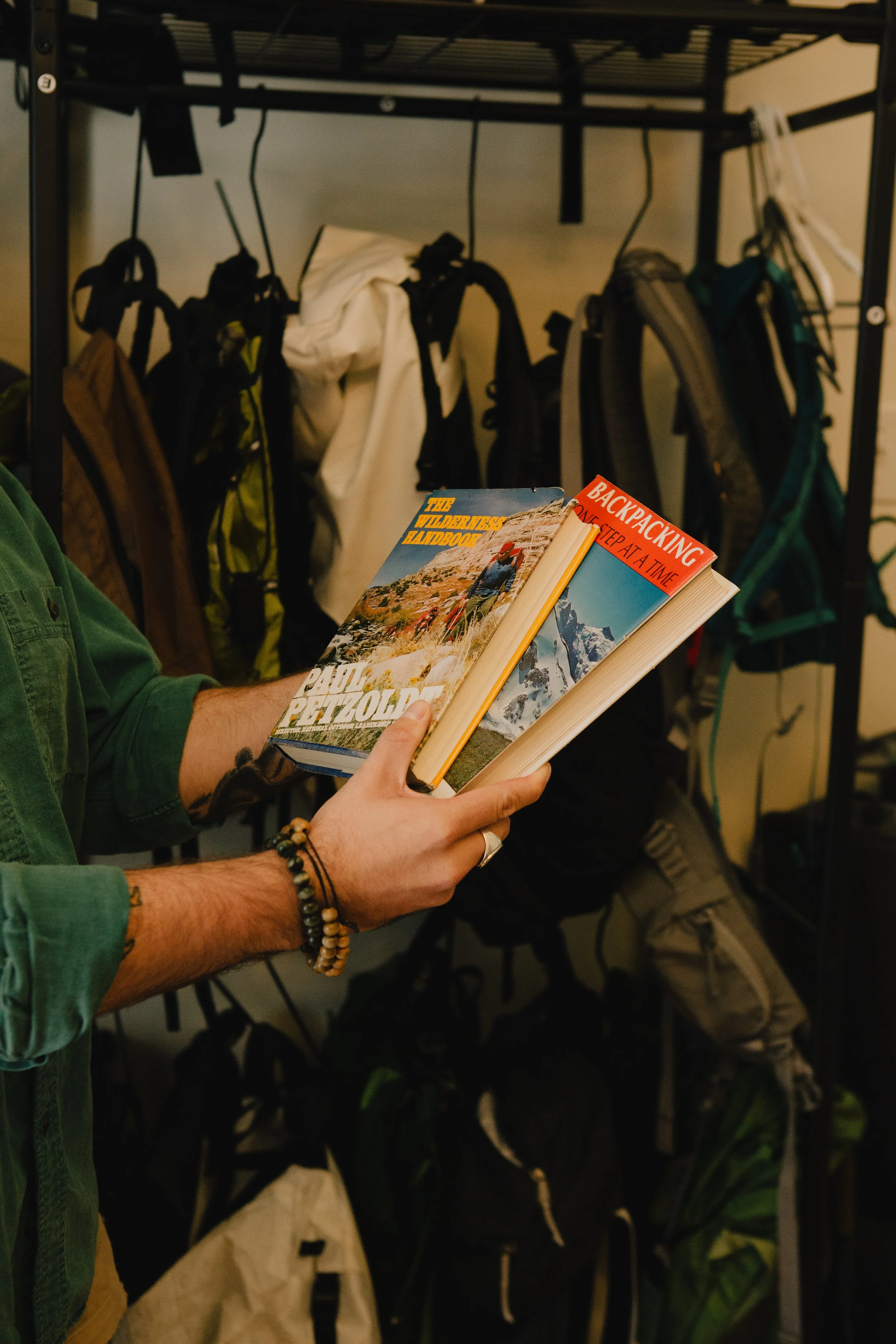
We shouldn’t think this is our only time we can ever protect this land ever again. Yeah, we should stop this because we are going to do irreparable damage a lot of times, especially when you look at strip mining and things like that. We are going to cause direct issues in the immediate term, but also knowing that there is hope.
It's still the fight worth having in that not all is doomed. I think keeping that hope, keeping that alive and knowing that there are things we can do to change the present and the future that's going to be a really important aspect of that sort of mentality.
Sarah: I like that you're talking a lot about hope. So, is there one thing that you would advise other people to do to help protect our public lands?
Jackson: Focus on the easy wins. That's a little bit of a cop out because there's multiple things within that. I think the most basic things like picking up trash on the trail, but also, if you have the time to volunteer, volunteer it. National Forest National Park staff are being cut right now. They could use volunteer hours more than ever. Protests, petitions. Those are all great, but we can't just show up when public lands are under threat. I think that's a big part of the issue, you have to show up with a bigger consistency for that. You know if we only appreciate things when we're at risk of losing them, we’re going to lose a lot. That's a big part of this.
Sarah: Yeah, yeah, that's something good. And that's something to think on. Like, how to keep people engaged, even when there isn't like an immediate threat?
Jackson: Yeah.
Sarah: Well, awesome! Those are all the questions I have. Did you have any closing remarks?
Jackson: We live in a precarious time, more so than we have in probably the past half century, especially when we look at the protection of public lands. That’s something that I think we once took for granted, even five years ago, as being a fairly bipartisan issue. We're now seeing old wounds reopened. When you look back in conjunction with everything else that's going on in the national context, it's easy to lose a certain sense of hope and to get overwhelmed in the face of everything. I think the point is that it's important to care. It's important to do what you can. We have to do more than focus on what we’re at risk of losing, we have to look at what we could gain.
We have to have a plan beyond just playing on the defensive and realizing the pendulum is going to swing again. There's going to be a brighter day. When that brighter day comes, we're going to run with it.
Do what you can love the people around you. Keep being cool.
Sarah: Love it!